
Local
Re-Roofing an Oceanfront Home in Highland Beach or Hillsboro Beach: Salt-Air Material Guide
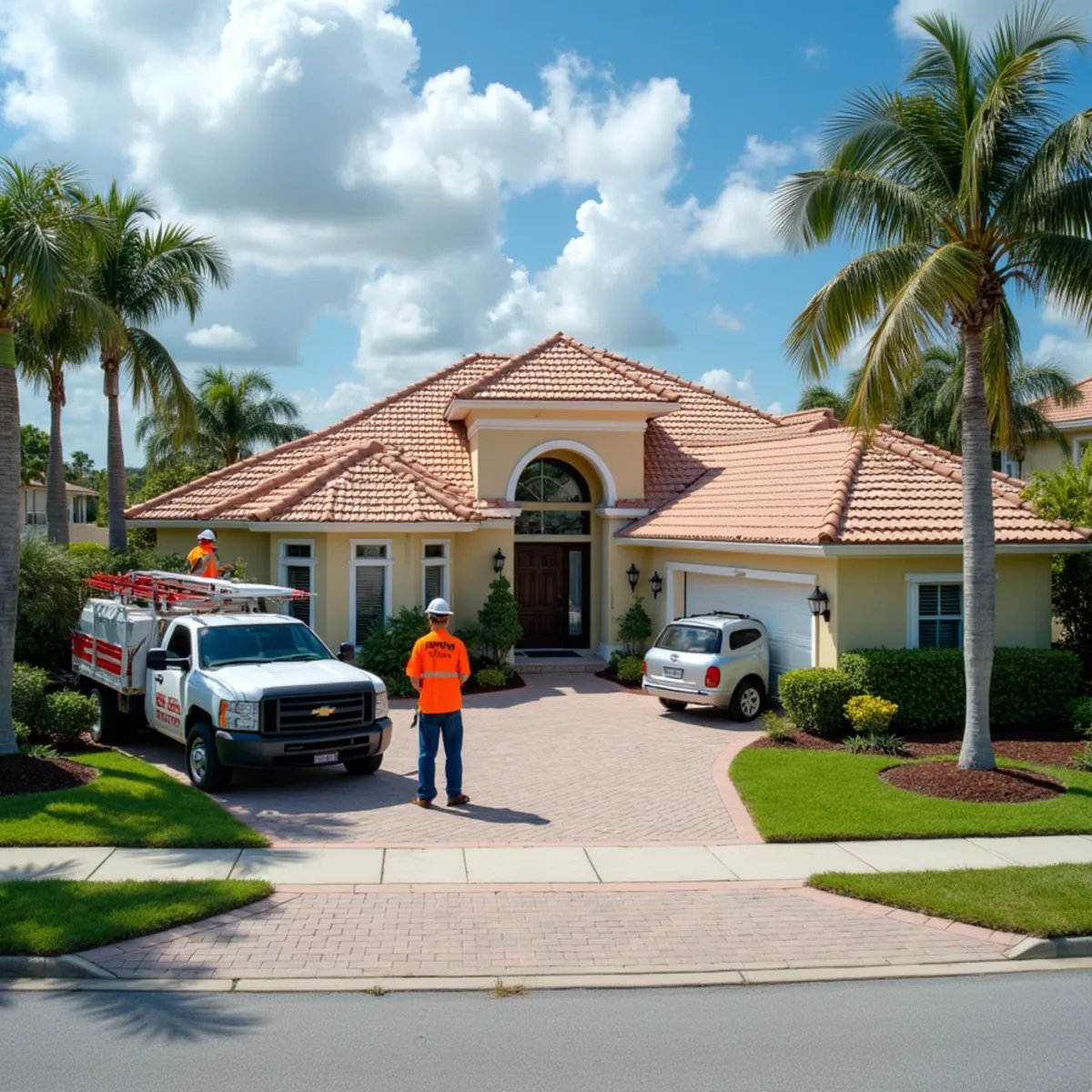
A roof one block from the Atlantic ages differently than a roof a mile inland. Here is what actually needs to change in your material and fastener selection near the water.
Salt-laden air off the Atlantic does not just affect cars and railings. It attacks fasteners, flashing, and coated metal on a roof faster than most homeowners expect, and it does not stop at the dune line — the effect is measurable well inland, just less severe. For homes directly on or near A1A in Highland Beach and Hillsboro Beach, material selection is not a style preference. It is the difference between a roof that reaches its rated lifespan and one that develops rust streaks and failed fasteners a decade early.
Why standard fasteners and flashing fail faster near the water
Airborne salt is corrosive and, closer to the ocean, present in higher concentration in both the air and the rain that washes over the roof. Standard galvanized steel fasteners and flashing can start showing rust bleed within a few years in this environment, well before the roof covering itself is due for replacement. Once a fastener corrodes, its holding strength against wind uplift drops, which is exactly the wrong failure mode in a hurricane-prone area.
The material and fastener upgrades that matter most
- Stainless steel fasteners throughout the roof system, not just at visible trim, since most corrosion starts at fasteners hidden under the roof covering.
- Aluminum flashing instead of galvanized steel at valleys, wall-to-roof transitions, and penetrations — aluminum resists salt corrosion significantly better and will not rust-stain tile or coatings the way failing galvanized flashing does.
- Coastal-rated coatings on standing seam and 5V metal panels, since not every factory finish is warranted for direct oceanfront exposure — the finish specification matters as much as the base metal.
- Copper for gutters, valleys, or full roof systems on higher-end coastal homes, since copper's natural patina is itself corrosion-resistant rather than a coating that can fail.
- Concrete or clay tile with corrosion-resistant fastening systems, which perform well near the coast because the tile itself is inert to salt; the attachment hardware is what needs the upgrade.
Metal vs. tile for a true oceanfront lot
Both standing seam metal and concrete or clay tile can perform well directly on the water when specified correctly. Metal offers a cleaner, more contemporary look popular on newer Highland Beach construction and sheds wind-driven rain efficiently, but the panel finish and fastener package have to be rated for direct salt exposure. Tile is heavier, generally more wind-resistant by mass, and tolerates salt exposure well once mechanically or foam-attached with corrosion-resistant hardware appropriate to the zone.
Our coastal and salt-air roofing team specifies stainless fasteners and aluminum flashing standard on every oceanfront job. Call (831) 666-1600 for an on-site material consultation.
Hillsboro Beach's narrow barrier-island lots
Hillsboro Beach sits on a narrow barrier island where most homes and condominiums face direct, unobstructed salt exposure from the Atlantic with little vegetation buffer. Material and fastener specification here should assume worst-case exposure regardless of a home's exact distance from the water, since wind direction changes what gets hit hardest over time. We also plan crane and material staging carefully on these lots, since A1A access and limited yard space affect how a re-roof gets scheduled.
Maintenance that extends coastal roof life
- Rinse accumulated salt film off metal roofing and flashing periodically, especially after long dry spells that let salt concentrate on the surface.
- Inspect fasteners and flashing annually for early rust bleed, which is easier and cheaper to address before it compromises holding strength.
- Keep gutters clear so salt-laden runoff does not pool against flashing or fascia.
- Schedule a free drone inspection after major storms, since wind-driven salt spray during a hurricane accelerates corrosion beyond normal seasonal exposure.
What a licensed roofer inspects first on a salt-exposed roof
On an oceanfront inspection, we check fastener heads before anything else, since rust bleed at a screw or nail head is almost always the earliest visible warning sign, showing up well before the roof covering itself looks worn. From there we check flashing seams at valleys, wall transitions, and penetrations, since pitting and thinning at a seam shows up long before a comparable spot in the open field of the roof.
Galvanic corrosion is a detail that catches homeowners off guard. When two dissimilar metals stay in contact and wet, aluminum flashing against an untreated steel fastener, for example, one metal corrodes faster than it would on its own. That means the fastener package has to be compatible with every metal component it touches, not just upgraded in isolation. Specifying stainless fasteners next to standard galvanized flashing can still create a mismatched pairing that corrodes faster than either material would alone, which is why we spec the whole metal system together rather than swapping one component at a time.
We recommend a close visual recheck on true oceanfront properties roughly once a year, separate from a routine post-storm check, specifically to catch early fastener and flashing wear while it is still a low-cost fix rather than a full flashing replacement.
Wind direction is worth factoring into that recheck too, not just distance from the water. A stretch of roof that has always looked fine can start showing salt film and early corrosion after a season of unusual prevailing winds pushed spray at it from a different angle than the property normally sees. We check all exposures on an oceanfront roof, not just the side facing the water directly, since salt spray during a tropical system does not respect a home's orientation.
A properly specified oceanfront roof in Highland Beach or Hillsboro Beach should reach the same expected lifespan as a comparable roof further inland. The gap only appears when a contractor uses standard, non-coastal-rated fasteners and flashing to save on material cost up front — a decision that shows up as rust stains and premature leaks well before the roof covering itself is due for replacement.
Frequently asked questions
Talk to a licensed Boca Raton roofer
Get a free drone inspection and a written estimate from Boca Raton's trusted, licensed roofing team. Same-day response, no pressure.
Keep reading
Roofing Historic Homes in Delray Beach and Lake Worth Beach
A 1920s Mediterranean Revival roof has to satisfy a historic preservation board and the 2023 Florida Building Code at the same time. Here's how that balance actually works.
Coral Springs and Parkland HOA Roof Approvals: Colors, Tile Profiles and Paperwork
Getting a re-roof through architectural review can take longer than the install itself in Coral Springs and Parkland HOAs. Here is what boards ask for and how to avoid delays.