
Prevention
Wind Mitigation Inspections: The Roof Features That Lower Florida Insurance Premiums
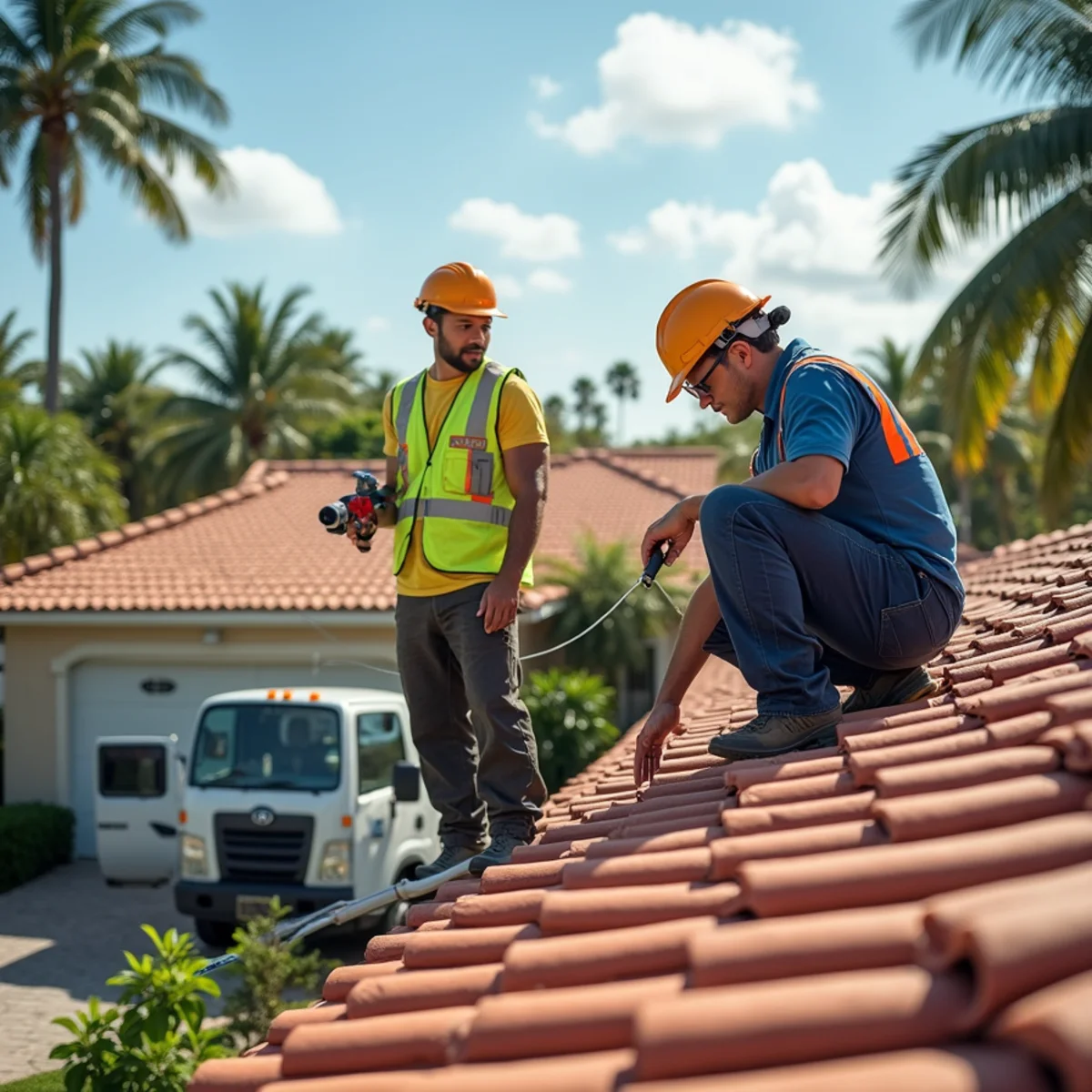
A wind mitigation inspection scores specific, verifiable roof features — not the roof's age or looks. Here's exactly what the inspector checks and why each feature matters to your premium.
A Florida wind mitigation inspection is not a general roof condition check. It's a standardized form, the OIR-B1-1802, that scores a specific set of construction features known to reduce hurricane damage, and insurers translate that score directly into premium credits. Two roofs that look identical from the street can carry very different insurance costs because of details an inspector finds in the attic and at the roof edge, not anything visible from the driveway.
The features that actually move the score
- Roof covering compliance. The inspector confirms the roof covering was installed to a current product approval and Florida Building Code edition, which factors into the overall rating.
- Roof deck attachment. How the plywood or OSB decking is fastened to the trusses, nail spacing and size matter, since a stronger deck attachment resists wind uplift better than minimum-code fastening.
- Roof-to-wall connections. This is often the single biggest factor. Inspectors look for hurricane clips or straps rather than simple toe-nailing, and they distinguish between single-wrap and double-wrap strap configurations, which carry different credit levels.
- Roof geometry. A hip roof, sloped on all sides, performs better aerodynamically in high wind than a gable roof with flat vertical end walls, and earns a better score for shape alone.
- Secondary water barrier. A self-adhered underlayment or equivalent membrane that keeps water out even if the primary roof covering is damaged earns an additional credit.
- Opening protection. Impact-rated windows, doors, and garage doors, or code-rated shutters, protect the building envelope and are scored separately from the roof but factor into the same overall wind mitigation report.
Roof-to-wall connections, explained simply
| Connection type | General wind performance |
|---|---|
| Toe-nail only | Weakest — minimum code baseline, lowest credit |
| Clips | Better — metal clips resist uplift more than nails alone |
| Single-wrap strap | Strong — strap wraps over the truss and down the wall |
| Double-wrap strap | Strongest — highest available credit for this feature |
This detail lives in the attic, hidden above the ceiling, which is exactly why a wind mitigation inspection requires attic access rather than a roof-only walkaround. It's also why two homes built a few years apart, under slightly different code editions, can score very differently on this one line item alone.
Why this matters more with Citizens and the standard market
Florida's insurers, including Citizens Property Insurance, weigh wind mitigation credits heavily in setting premiums, and Citizens in particular often also requires documentation that a roof has at least five years of remaining useful life. A roof replacement is a natural point to maximize wind mitigation credits, since the new roof-to-wall connections, deck attachment, and secondary water barrier installed during the project can all be documented on a fresh inspection immediately afterward.
Planning a re-roof or upgrade and want it to earn the best wind mitigation score possible? Our wind mitigation roofing team builds these features in from the start. Call (831) 666-1600.
My Safe Florida Home: funding the upgrades
The My Safe Florida Home program offers matching grants, commonly up to around $10,000, for wind-mitigation upgrades such as a secondary water barrier, improved roof-to-wall connections, or a fully sealed roof deck on qualifying homes. Pairing a program-funded upgrade with a scheduled roof project is one of the more direct ways to lower both your out-of-pocket cost and your ongoing premium. We cover the program in more depth in our My Safe Florida Home roof grant guide.
Delray Beach and Pompano Beach: two different starting points
In Delray Beach, older homes near the historic core and west of I-95 often still have toe-nailed roof-to-wall connections original to their construction era, which is typically the lowest-scoring category on the form. In Pompano Beach, a mix of older single-family stock and newer construction closer to the HVHZ line means wind mitigation scores vary block by block, which is exactly why a current inspection, not an assumption based on a neighbor's home, is worth getting before you renew your policy.
What a licensed roofer checks beyond the OIR-B1-1802 checklist
Some of the lowest wind mitigation scores we see are not because the roof lacks strong construction, but because the inspector could not verify it. Insufficient attic access panels, straps hidden entirely under blown-in insulation, or permit records that do not clearly match what was actually installed can all cause a feature to score lower than the roof's real construction supports. Before an inspection, we check that attic access is workable and that key connections are visible or at least documented with prior photos, so the score reflects the roof's actual performance rather than what an inspector could or couldn't confirm in a single visit.
Keeping permit and product-approval paperwork from the original roof install on hand makes a real difference here. A roofer who can hand an inspector the permit record and product approval for the roof-to-wall connections and deck attachment speeds up the inspection and reduces the chance of a conservative, lower score from missing documentation. That same paperwork trail also matters if you ever need to support a roof insurance claim, which is one more reason to keep it filed rather than assuming the insurer already has it.
If your last wind mitigation inspection happened years before a repair or partial roof replacement, it is worth confirming the report still matches what is actually on the roof today rather than assuming the older score still applies.
If you have not had a wind mitigation inspection since your last roof work, it's worth scheduling one before your next renewal. Homeowners are often surprised to learn that a repair or partial replacement they did years ago already qualifies them for a better score than their current policy reflects.
Frequently asked questions
Talk to a licensed Boca Raton roofer
Get a free drone inspection and a written estimate from Boca Raton's trusted, licensed roofing team. Same-day response, no pressure.
Keep reading
Why Drone Roof Inspections Beat Ladder Inspections on Tile Roofs
Every footstep on a concrete or clay tile roof risks cracking a tile that was structurally fine. A drone inspection documents the same roof without ever putting weight on it.
Pre-Hurricane Season Roof Checklist for Palm Beach County Homeowners
Hurricane season starts June 1 whether your roof is ready or not. Work through this checklist in May to catch small issues before wind and rain turn them into claims.